
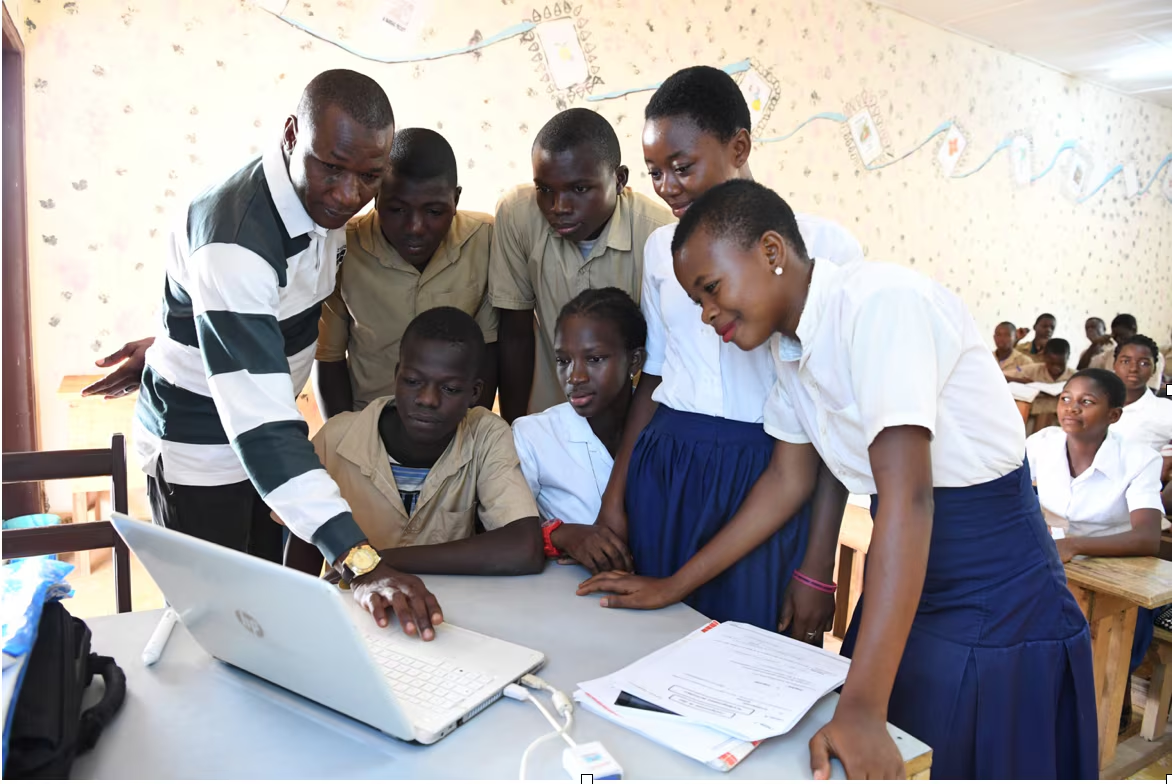
The Future of Education: Preparing Learners for a Changing World
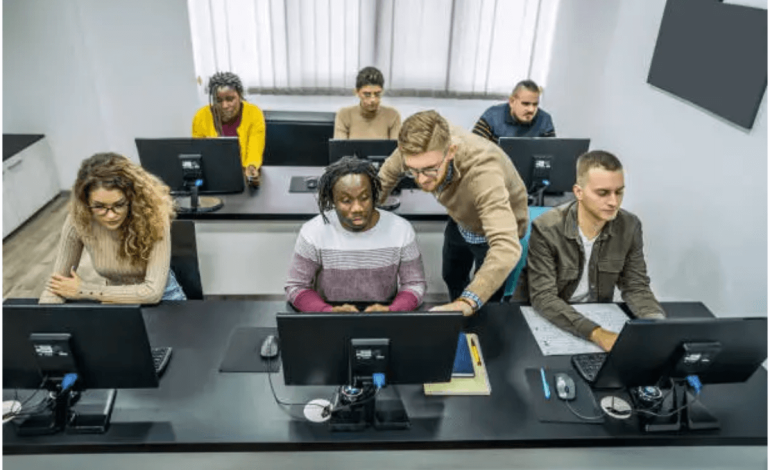

Education has always been the cornerstone of human development — a pathway to opportunity, innovation, and social progress. But as the world transforms at an unprecedented pace, so must the systems that prepare us for the future. Technology, global challenges, and evolving workforce needs are reshaping how we learn, what we learn, and why we learn. Today, education stands at a turning point: adapt to new realities or risk falling behind.
To build an education system that empowers every learner, we must explore new approaches that foster creativity, critical thinking, and lifelong adaptability.
From Knowledge-Based to Skills-Based Learning
For centuries, education focused primarily on memorizing facts and mastering standardized knowledge. While foundational literacy and numeracy skills remain essential, the modern world demands much more. Employers and communities value individuals who can:
-
Solve complex problems
-
Collaborate with diverse groups
-
Think critically and independently
-
Communicate effectively
-
Adapt to changing environments
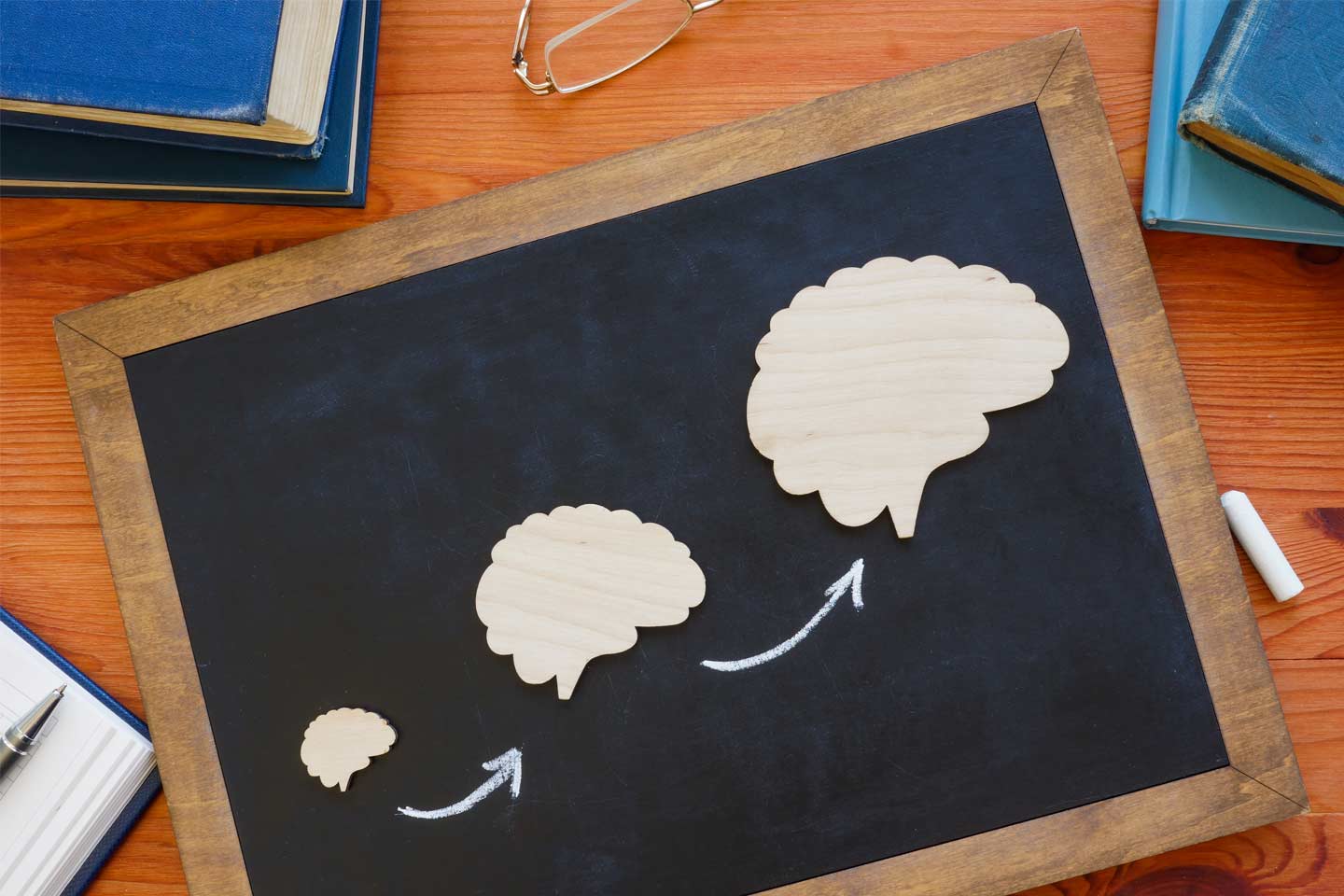
Skills such as creativity, leadership, and digital literacy are becoming central to curriculum design. Instead of simply asking students to recall information, educators now encourage them to analyze, question, and innovate. The goal is not only to prepare students for exams — but for life.
Technology: A Catalyst for Transformation
The rise of digital tools has drastically expanded the possibilities of learning. Classrooms today are increasingly connected to the world through:
-
E-learning platforms and virtual classrooms
-
Artificial intelligence-driven learning assistants
-
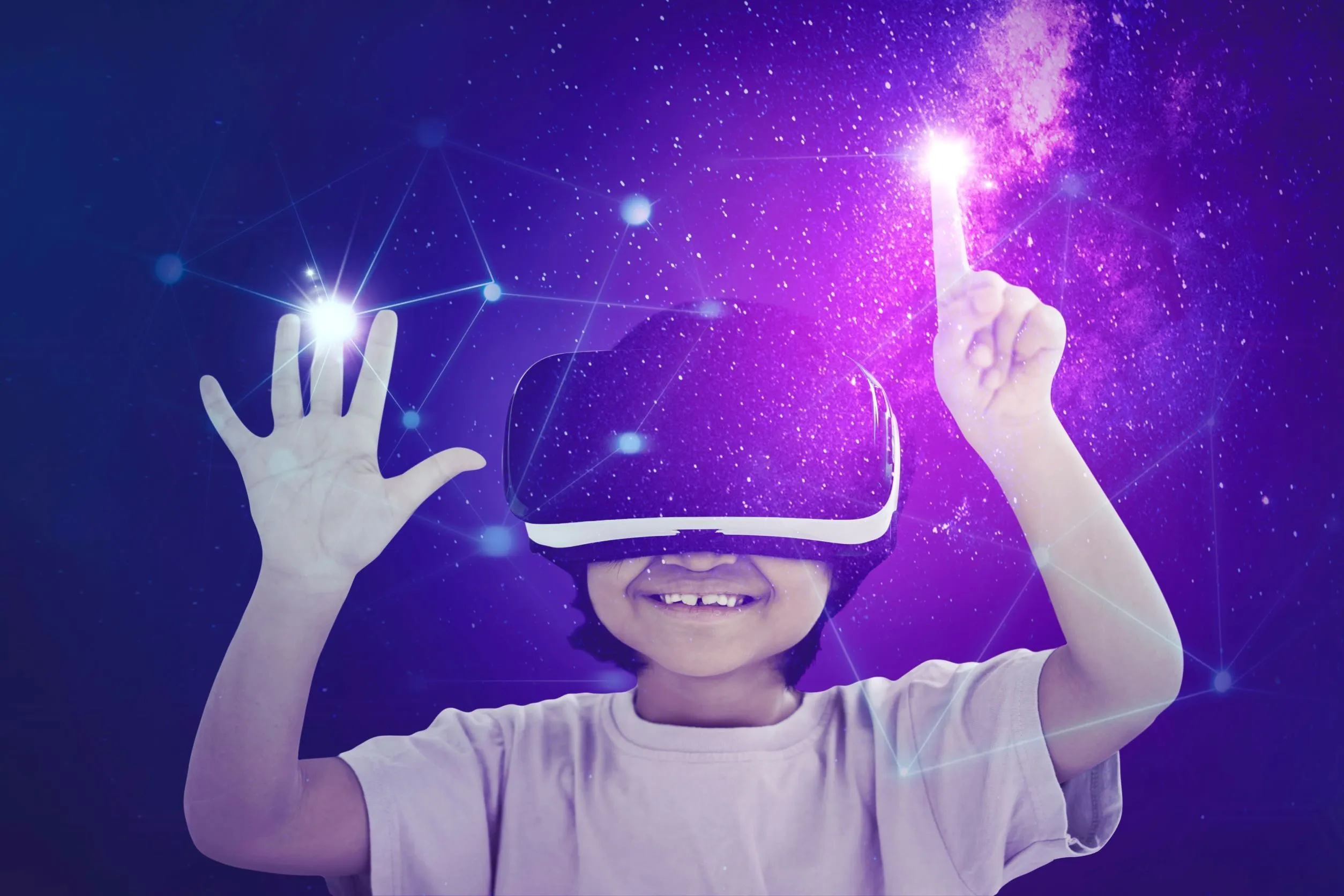
Interactive simulations and educational games
-
Online collaboration tools
-
Instant access to global information and expertise
Technology allows education to be more personalized than ever. AI-powered tutoring systems can adapt lessons based on a student’s pace, strengths, and learning style. Students who once struggled in traditional settings now have diverse pathways to success.
Additionally, remote learning has broken geographical barriers. A learner in a rural village can access the same knowledge as someone in a major city. Education is no longer confined by classroom walls.

The Human Side of Learning Remains Essential
With technology on the rise, one might expect a decrease in the importance of interpersonal connection. Yet, emotional and social development remains a core part of education. Humans learn best in supportive environments where they feel seen, motivated, and inspired.
Teachers play a critical role in:
-
Encouraging curiosity
-
Nurturing confidence
-
Guiding personal growth
-
Building empathy and respect
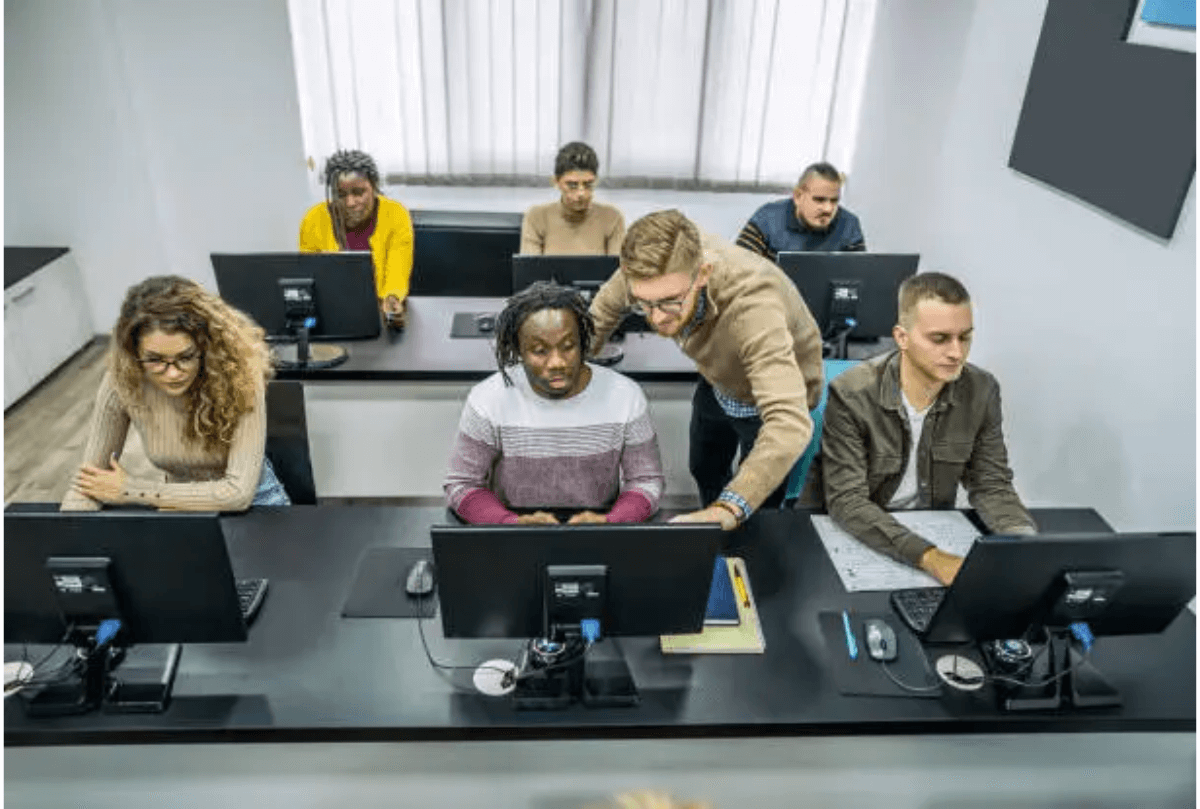
As learning evolves, the educator’s role shifts from instructor to mentor — empowering students to take ownership of their learning. Strong relationships, whether face-to-face or through virtual communication, fuel engagement and help students thrive.
Inclusive and Equitable Education for All
True progress in education must ensure that every learner — regardless of background, ability, or circumstance — has access to high-quality opportunities. Unfortunately, many challenges persist:
-
Unequal funding between school districts
-
Limited resources in rural or low-income areas
-
Barriers for students with disabilities
-
Gender disparities in some regions and subjects
-
Limited access to technology
Creating equity requires systemic commitment. Inclusive education provides individualized support, accessible materials, and environments where diversity is celebrated rather than accommodated.
When education becomes universally accessible, societies benefit through reduced poverty, increased employment, and stronger civic participation.
Global Citizenship: Learning Beyond Borders
In a world that is increasingly interconnected, education must encourage global awareness and responsibility. Students today will face global issues such as climate change, sustainability, public health, and cross-cultural cooperation.
Global citizenship education focuses on:
-
Understanding universal values like justice and human rights
-
Respecting cultural differences and promoting peace
-
Encouraging environmental sustainability
-
Strengthening international collaboration
By developing a broader worldview, students become more compassionate, informed, and active members of society.
Lifelong Learning: Education Doesn’t End at Graduation
The traditional model — study in youth, work in adulthood — no longer fits modern life. Rapid advancements in technology mean skills can become outdated within years or even months. As a result, learning must be continuous.
Lifelong education includes:
-
Upskilling and reskilling through micro-credentials and online courses
-
Professional development in the workplace
-
Informal learning through hobbies, reading, and social interaction
Individuals who embrace continuous learning remain adaptable and competitive in shifting industries. It also promotes personal growth and cognitive well-being throughout life.
The Role of Parents and Communities
Education is not the sole responsibility of schools. Families and communities shape values, motivation, and character. Parents who participate in their children’s learning — through encouragement, routines, and communication — significantly boost academic success.
Communities can support education through:
-
After-school programs
-
Libraries and learning centers
-
Mentoring and volunteer involvement
-
Cultural activities and youth services
When schools, families, and communities work together, students gain a powerful support system.
Challenges and Opportunities Ahead
Despite exciting progress, transformation is not without obstacles:
-
Balancing screen time with human interaction
-
Training educators in new technologies
-
Ensuring digital resources reach underserved populations
-
Reducing stress and competition in high-pressure academic systems
-
Preparing students for careers that do not yet exist
These challenges represent opportunities to rethink education in ways that are more meaningful and effective.
The future of learning will likely blend the best of both worlds: advanced technology and strong human relationships. Creativity, resilience, and compassion will become just as important as academic achievement.

Conclusion: Education as a Force for a Better Future
Education is more than preparation for the workforce — it shapes identities, fuels imagination, and builds the foundations of society. As the world continues to evolve, so must our commitment to creating learning environments that are innovative, inclusive, and empowering.
By embracing modernization while honoring human connection, education can unlock every learner’s potential. In doing so, we strengthen not just individuals — but entire communities and future generations.
A world that invests in education invests in progress, equity, and hope. The future of education is already unfolding — and it holds the promise of a smarter, kinder, and more connected world for all.