




What You Need to Know About Bacteriostatic Water


Bacteriostatic water is a specialized type of sterile water commonly used in medical and clinical settings. What makes it different from regular sterile water is the addition of a small amount of benzyl alcohol, typically around 0.9%. This ingredient gives bacteriostatic water its key property: the ability to inhibit the growth of bacteria. Rather than killing bacteria outright, it prevents them from multiplying, which helps maintain the solution’s safety over multiple uses.
One of the biggest advantages of bacteriostatic water is that it can be used more than once. Standard sterile water is usually intended for single use only, because once opened, it can easily become contaminated. In contrast, bacteriostatic water can be used repeatedly from the same vial—usually for up to 28 days after opening—if it is handled and stored properly. This makes it especially convenient for treatments that require frequent injections.
A primary use of bacteriostatic water is for reconstituting medications. Many drugs, especially peptides, hormones, and certain antibiotics, are manufactured in a freeze-dried (lyophilized) form to extend their shelf life. Before they can be administered, they must be mixed with a liquid. Bacteriostatic water is often chosen for this purpose because it allows multiple doses to be drawn from the same vial without significant risk of bacterial growth.
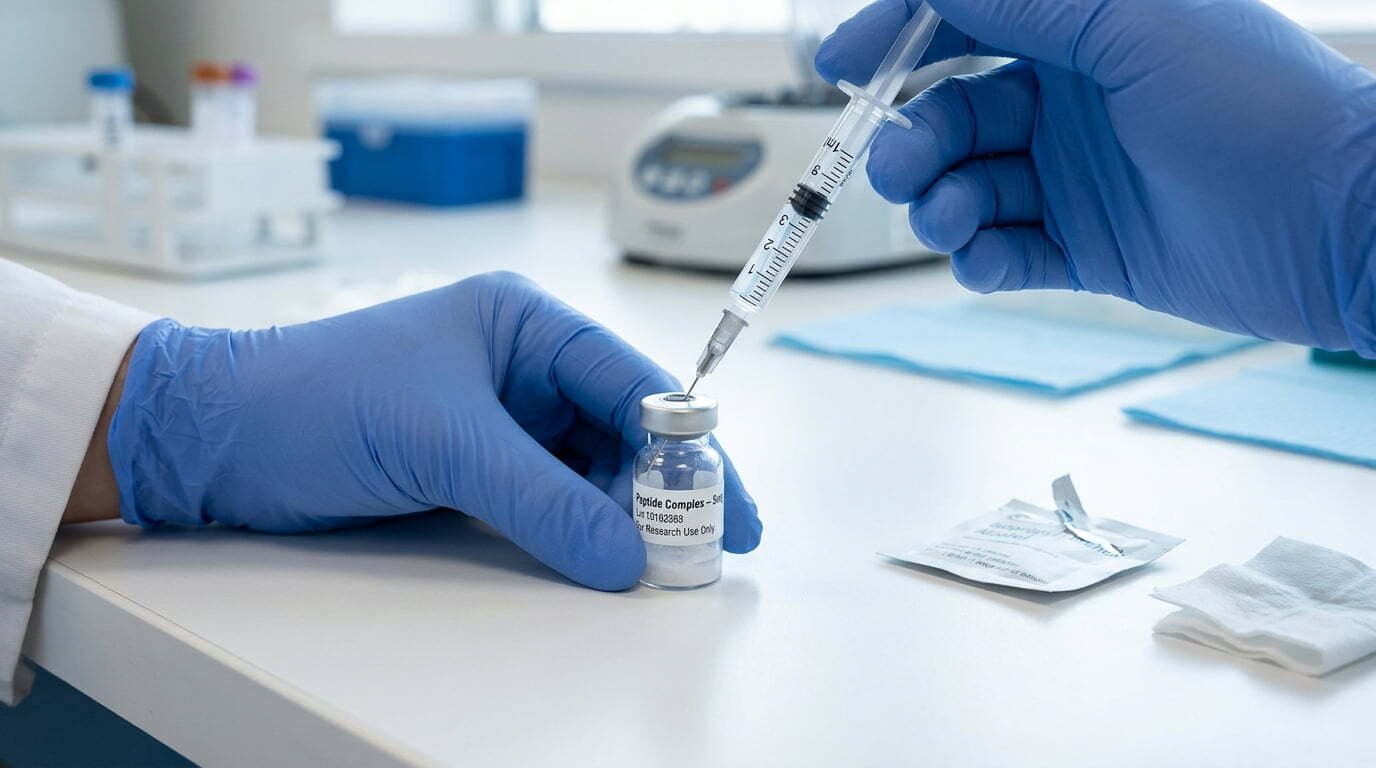
In addition to reconstitution, bacteriostatic water is also used for dilution. In medical treatments, precise dosing is critical. By adding bacteriostatic water, healthcare providers can adjust the concentration of a medication to ensure accurate and consistent dosing. This is particularly important in therapies where even small variations can affect effectiveness or safety.
Despite its usefulness, bacteriostatic water is not suitable for everyone. Because it contains benzyl alcohol, it is generally not recommended for use in newborns, especially premature infants. In rare cases, benzyl alcohol has been associated with serious complications in this population. For this reason, healthcare professionals carefully evaluate when and how it should be used.
Proper handling is essential to maintain safety. Even though bacteriostatic water resists bacterial growth, it is not completely immune to contamination. Each time the vial is accessed, sterile techniques should be used, including clean needles and syringes. The vial should also be stored at room temperature, away from direct light and heat, and labeled with the date it was first opened.
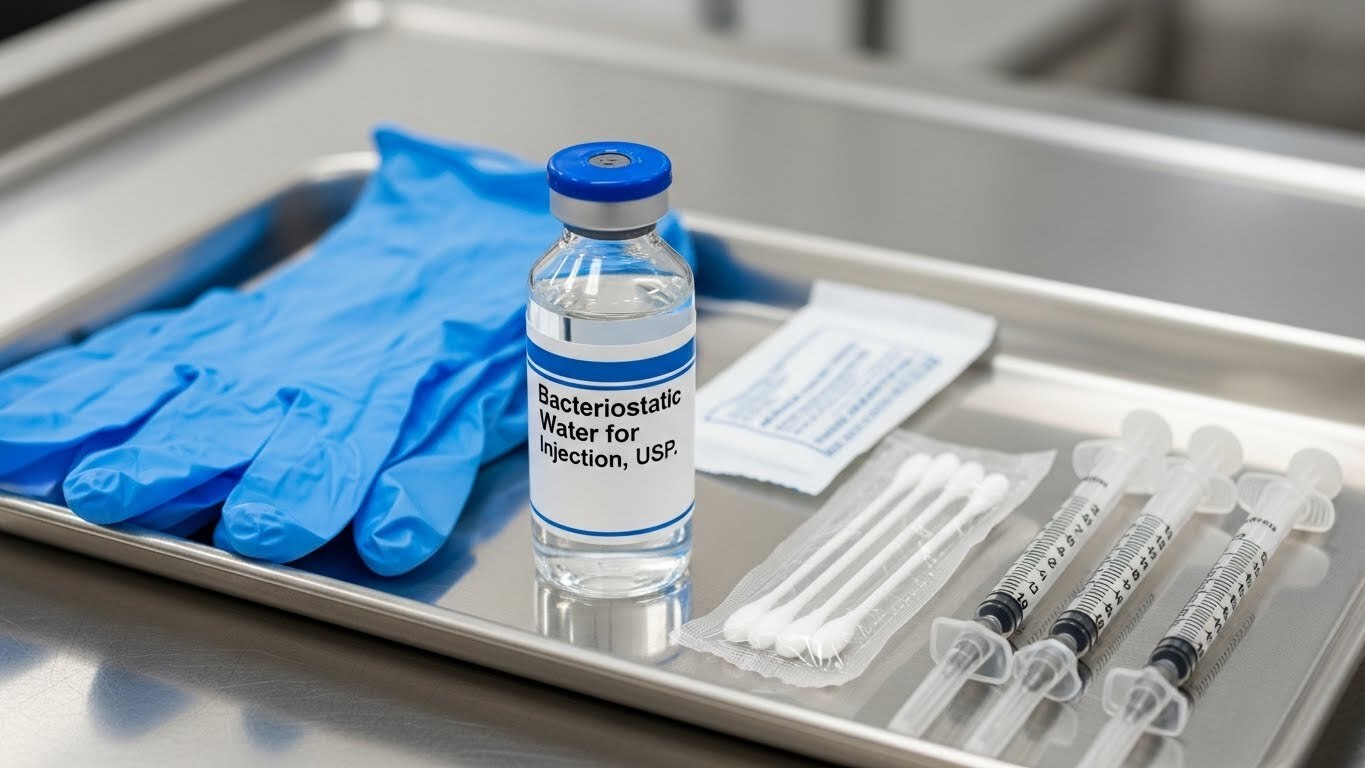
It’s also important to understand that bacteriostatic water is intended for specific medical uses. It should not be used as a substitute for other fluids or in non-medical contexts. Misuse can lead to complications, including infections or improper dosing of medications.
In summary, bacteriostatic water is a practical and widely used solution in healthcare. Its ability to inhibit bacterial growth makes it ideal for multi-dose use, especially when preparing and administering medications. However, like any medical product, it must be used carefully and responsibly to ensure safety and effectiveness.